So, I’ve written what I believe to be a pretty good close-to-final draft of my second book. But now there are all of the things that aren’t the thing itself, such as final edits, formatting, cover design, and figuring out how to get this book into the hands of readers who will like it, which is an entirely different pursuit. There is pricing, getting ISBNs, a PCN, a barcode. There are beta readers, editorial or manuscript reviews, structural editing, developmental editing, copyediting, line editing, proofreading, as well as ARCs, and getting reviews.
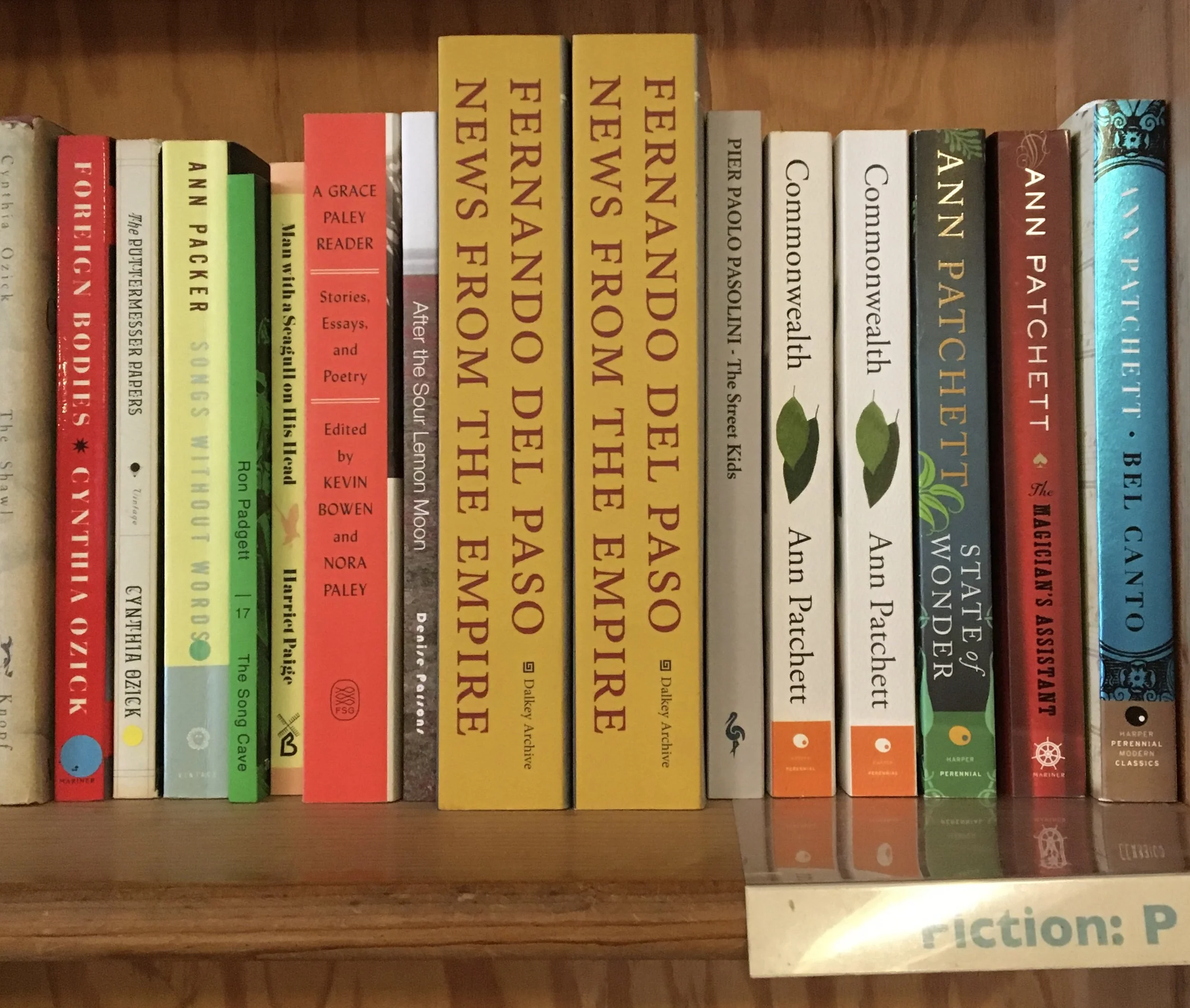
I’ve read I should try and generate at least a few reviews for my first book, After the Sour Lemon Moon (even though it was published over 10 years ago), before publishing my upcoming book. The publishing of After the Sour Lemon Moon is a little complicated to describe. It was released on a platform that did not have a space for reviews, so people who bought it posted on Instagram, their blogs, and sent me notes. None of that is going to come up on a Google search now. When that platform stopped printing books, I eventually got After the Sour Lemon Moon into the IngramSpark catalog, which allows independent bookstores and libraries to order directly from them, and also gets it on sites like Amazon and Barnes & Noble, but all of that happened too long after the initial flurry of book buzz.
This whole book review thing reminds me of how the people who need money can’t get a loan, and the people who don’t need money have banks chasing after them with low interest rates. If you look up a book on Amazon and it has reviews, you can simply click on the number of reviews and jump straight down to the section with the “Review this product” heading and the “Write a customer review” button. If you look up a book that does not yet have any reviews, you have to scroll down, down, down, and look on the lower left, but not all the way at the bottom, to find that same “Write a customer review” button, where it is awkwardly placed. In addition, I hate asking for favors, so at this point I believe I have one review on Good Reads and zero on Amazon.
Although I hate asking for favors, if you remember reading After the Sour Lemon Moon, have returned to passages, or even read it a second time, and want to post an honest review, go right ahead. I will not mind.
Here’s a link.
I know Amazon isn't for everyone, but from what I understand, as an independent author, their algorithm has a lot to do with my visibility. If you have an account, leaving an honest review there could help me introduce After the Sour Lemon Moon to more readers, and get my next book into the hands of more readers.
If you read my upcoming book, and want to write a review, or tell a friend about it, fabulous! Generating reviews seems a necessary evil for authors who want to get their books read. I was talking to my husband about this and he said, “I don't ever write book reviews and I bet most people don't. I think you really have to ask people directly.” I know I look at reviews on Amazon when I’m learning about a new author, so I can’t knock it, yet I’ve never written a book review there.
I’ve somehow never really thought about the reviews on Amazon in this way. So today I found Cold Enough for Snow on Amazon. It’s a book I adore and like to tell people about. Unlike me, the author, Jessica Au, had a publisher, and many editorial reviews, but I was surprised to see only 30 customer reviews. It’s such a beautiful book. So I wrote my first book review on Amazon. Then I wrote one for another favorite, Tove Jansson’s Fair Play (only 40 reviews). And the film, Petite Maman, (only 1 review!). It felt good. There will be more.
I chose to publish my book this way. I know there’s no free lunch. But from what I hear, even with a traditional publisher, you still have to do most of your own marketing. So is working with a traditional publisher more about validation and putting a logo on your book? Why do I feel like I’m just not this type of writer?
I see two forms of writer validation—feeling validated myself, and readers believing I’ve been validated. I don’t think I need the validation, but do my readers? I’d like to say no. But would my book reach more people with a traditional publisher? Maybe.
Or is traditional publishing not a golden ticket? Perhaps you need to first be Rachel Cusk, at this point in her career, and work with a traditional publisher.
Or maybe Rachel Cusk is so well known she doesn’t even need anyone validating her work. And that reveals a third type of validation. Validation from the gatekeepers that get writers noticed and books out there into the world—bookstores, The New York Times, The Paris Review, The New Yorker. Maybe Rachel Cusk could print and assemble her own books in her garage and still be featured in The New Yorker and The Paris Review, and get her books into bookstores and reviewed in The New York Times. Or I’m wildly underestimating what is done to market her books. Admittedly, I have more questions than answers on this topic.
I’ve seen book distribution get compared to beer distribution. A distributor offers a seasonal package/collection of beer, or books, and the buyer trusts the distributor’s taste. I’m certainly not well known enough to fit into that model. I know there are bookstores that do more curation than that, but how do I even get my foot in their doors? Contact them all individually?
I’ve noticed the label “indie author” being thrown around as a replacement for self-published. Is it better? And why is self-published such a bad thing when punk rock, DIY, independent film, local retail, and small business are all good things? And what about being a bootstrapped startup and making it in tech, or becoming famous via YouTube? Why is being independent super cool in most industries, but not so cool in book publishing? Or am I out of touch? Maybe it’s fine now, or better than fine. I don’t know. I think if you’re willing to do the work, going for it on your own, no matter what industry you are in, is always a cool idea.
Another thing that is not the thing itself, beta readers. I’m still not completely sure I understand the definition of beta reader. I believe it’s someone who reads unreleased manuscripts and gives feedback to writers from the perspective of an average reader. But doesn’t that mean they are not average readers? I’ve read not to have people who know you be your beta readers, yet I’ve also read many famous authors describe having beta readers who are very close to them. And why is someone who doesn’t know you reading your unreleased manuscript, unless it is their profession? Will the people who read books as a profession be able help me understand how my particular book will be read by people reading it for pleasure? Aren’t these wildly different audiences?
And then there are ARCs (Advanced Reader Copies), or galleys. These are free copies of a new book given away to reviewers and booksellers before publication. The objective is to generate reviews and publicity for the book prior to its official publication date. How do ARCs or galleys get distributed? How many books should be given away when you’re a punk rock/indie/independent/DIY/bootstrapped author? I’ve read about services that do this for writers, but with no guarantees. How do reviewers and booksellers decide which ARCS they will read? Are they only interested in ARCs from well-known writers? How does a not-famous writer without a traditional publisher get noticed? Do you simply work with a service and blindly hope all of the ARC giveaways will yield reviews that will sell books? Is it possible you instead give away all of the books you might have sold?
There are large media outlets, celebrities with book clubs, social media influencers, podcasts. It seems overwhelming. Would it even be worth trying to navigate these areas? It does not sound fun. It’s all so far away from writing.
I did not know about or do any of these things before publishing my first book. I did nothing to generate reviews. My only reader (alpha reader?) was my husband, and I paid one proofreader to review my final copy. Then I just posted “Hi. I wrote a book.” on my blog and Instagram.
So where does all of this leave me with my upcoming book? I’m not even writing on my blog or Instagram any longer. I originally decided to do things in this independent way because I wanted my books to be uniquely mine. I wanted to make all of my book decisions myself—font, format, cover, everything (which includes marketing)—and not follow anyone else’s plan. Is this still the right decision? I think it is, for me.
I can feel the window closing on this project of working on my second book. I have a growing sense of urgency to get it out into the world. It’s been a long road. I find it hard to imagine starting to work on refining it further with new people for the next 2-3 years before that can happen.
I’ll figure this stuff out. Or I won’t. I just need to catch up with myself, but I am starting to believe that might not be possible, since I’ve felt this way most of my life.
Although I cannot deny the excitement of seeing a book I’ve written on a shelf in a bookstore, it is the writing I love most. I’m grateful to be able to spend my time this way, and that you are reading what I have written, whether it be this newsletter, After the Sour Lemon Moon, something I posted on Instagram, or on my blog, an email, a text…hopefully my upcoming book.
Thank you!
ABOUT OBSERVATIONS
Observations is a newsletter of sorts, kind of like an emailed blog post, or something that could be seen on social media, but perhaps a bit longer, maybe similar to sitting with a friend telling you some things she’s been thinking about, but a short story or poem could also appear, and I’ll send you updates about my writing. Basically, when the mood strikes, not too often, I’ll write something and send it to you, sometimes with a photo or two. If you have any questions or suggestions, send them my way. Thank you for reading.